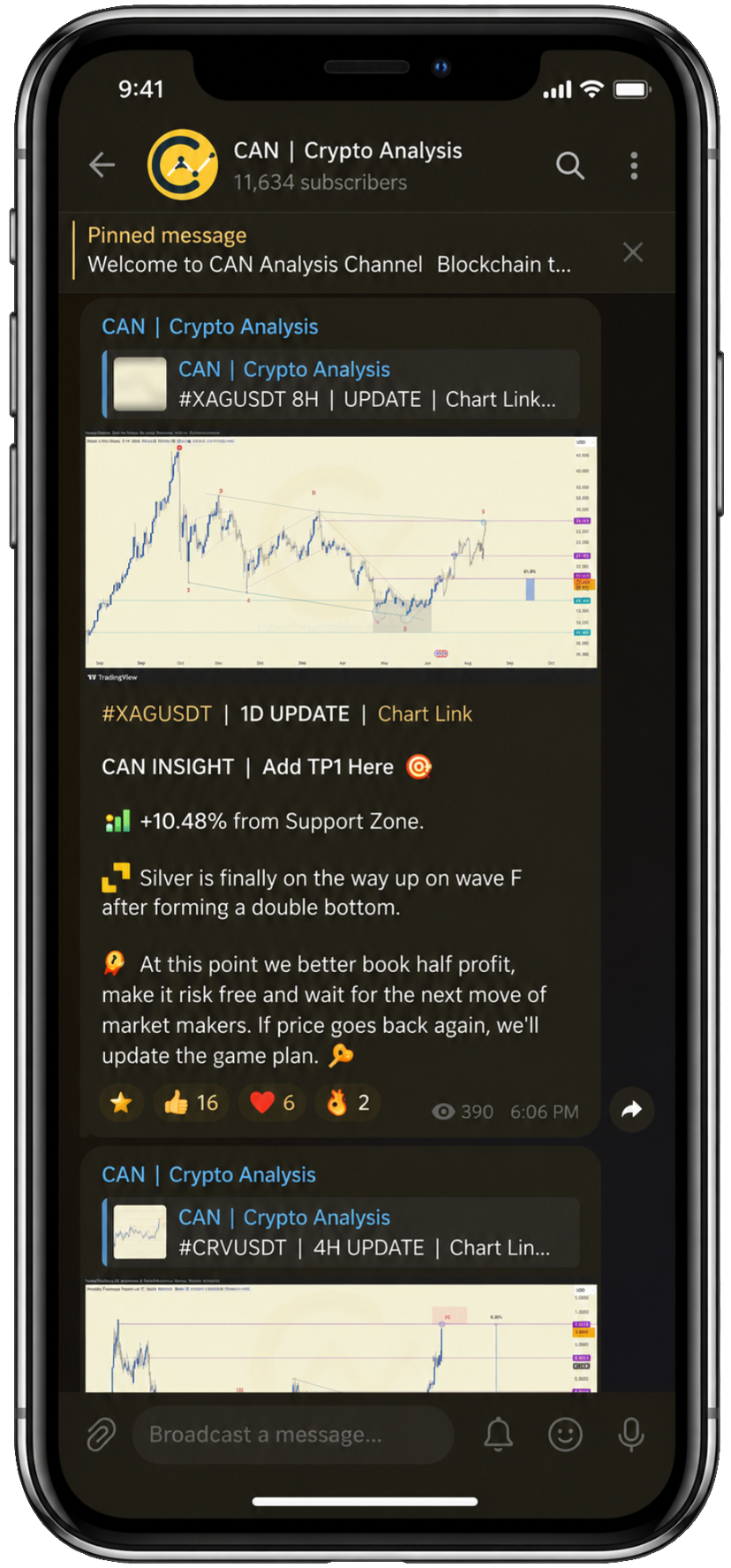
Best Silver-Backed Cryptocurrencies to Buy and Invest In
Quick summary: A silver-backed cryptocurrency, or silver token, is a digital asset whose value is tied to silver. Some tokens are directly backed by physical silver reserves; others simply track the metal's price on-chain. Projects like SLVon, Kinesis Silver (KAG), SilverToken (SLVT), tSILVER (TXAG), SilverCoin, Silver Stonks (SSTX) and Silver Grams (GRAMS) are among the most recognized names in this space. These tokens offer a way to gain silver exposure without physical storage, but returns depend heavily on reserve transparency, liquidity, issuer credibility, and the broader silver market.
Precious metals have anchored wealth preservation for thousands of years. Gold usually gets the spotlight, but silver has often delivered stronger returns and plays a much bigger industrial role. The catch has always been practical: storing bars, insuring coins, worrying about theft, and dealing with slow, illiquid physical markets.
Blockchain is changing that equation. Silver-backed cryptocurrencies let traders buy a fraction of an ounce or even a gram of silver in a few clicks, with none of the custody headaches. This article breaks down how these tokens work, what to look for before buying one, and which projects currently lead the space.
What Is a Silver-Backed Cryptocurrency?
A silver-backed cryptocurrency is a digital asset whose value is pegged to silver. In most designs, each token represents a specific amount of physical silver held in vaults or custodial reserves. When someone buys a silver token, they're effectively claiming ownership over a slice of those reserves.
Think of it as a blockchain-native version of a silver investment fund except ownership is recorded on-chain instead of in a traditional brokerage ledger. That shift makes transfers, custody, and trading far simpler, with 24/7 access from anywhere in the world.
Not all silver tokens work the same way, though. Some like KAG or GRAMS claim a strict one-to-one backing between circulating tokens and vaulted silver. Others simply mirror silver's spot price through different financial mechanisms without direct physical backing. That distinction matters, so it's worth reviewing each project's structure individually before investing.
From an investment standpoint, silver tokens sit inside the broader real-world asset (RWA) tokenization trend, a sector that's grown quickly as major financial firms move assets like gold, bonds, and real estate on-chain.
How Is Digital Silver Issued?
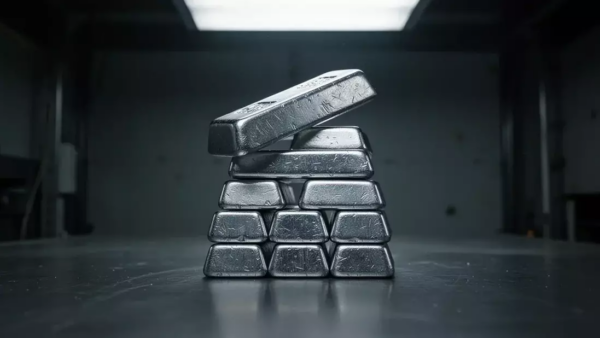
Issuing a silver token typically starts with buying and storing physical silver. The issuer holds a defined quantity of silver in approved vaults, then mints an equivalent amount of tokens on-chain a process known as tokenization.
In credible projects, every token in circulation is matched by a corresponding amount of vaulted silver. If one token equals one gram, the issuer is expected to hold one gram in reserve for every token outstanding. Many projects back this claim with regular audits and proof-of-reserve reports.
Some platforms even let holders redeem tokens for physical silver, which reinforces the link between the digital asset and the real-world commodity though redemption usually requires a minimum token amount.
Smart contracts manage supply through a mint-and-burn mechanism: new silver entering the vault triggers new token issuance, and physical redemptions burn tokens to keep the ratio intact.
Why Have Silver Cryptocurrencies Gained Popularity?
Interest in tokenized real-world assets has grown sharply in recent years. Crypto market volatility, a string of project collapses, and rising macroeconomic uncertainty have pushed some investors toward assets with tangible backing.
Silver's own price performance added fuel to this trend. The metal delivered one of its strongest runs in decades, driven partly by demand from AI infrastructure, semiconductors, and clean-tech manufacturing. Many analysts expect a widening supply-demand gap for silver in the coming years or even outright shortages.
Silver also has a practical edge over gold: it's cheaper per unit, making it more accessible for retail-sized positions. Combine that accessibility with blockchain rails, and it's easy to see why silver tokens have found an audience among traders who want metal exposure without the logistics of physical ownership.
Criteria for Choosing the Best Silver Token
Reserve transparency comes first. Investors need confidence that circulating tokens are actually backed by physical silver. Projects publishing regular audit reports tend to earn more trust.
Liquidity is the second major factor. Some silver tokens trade with very thin volume. Even a well-backed project can be hard to exit if there aren't enough buyers when you want to sell.
Issuer credibility matters just as much. Partnerships with recognized financial institutions, reputable vault custodians, and independent auditors reduce counterparty risk.
Beyond that, check physical redemption options, the blockchain network used, transaction fees, and overall market adoption before choosing a token.
7 Silver-Backed Cryptocurrencies Worth Knowing
SLVon: The Simplest Way to Get Global Silver Exposure
SLVon stands apart from most silver tokens because it isn't backed by physical bars at all. Instead, it's backed by shares of the iShares Silver Trust, one of the largest silver ETFs globally, managed by BlackRock. Each share represents 0.90 ounces of 999-fine silver.
That structure makes SLVon feel less like a standalone crypto project and more like a bridge between traditional finance and blockchain which is why many analysts categorize it as a next-generation RWA asset. It's issued through Ondo Finance, a protocol that has become a major player in real-world asset tokenization over the past two years, and it's currently tradable on domestic exchanges, including Nobitex, with a minimum entry around 100,000 tomans.
Kinesis Silver (KAG): Turning Silver Back Into Money
Most silver tokens focus purely on tokenizing physical metal. Kinesis Silver (KAG) has a bigger ambition: turning silver into a usable payment instrument, not just an investment vehicle.
Each KAG unit equals one ounce of 0.999-fine silver, held in insured, audited vaults. The project runs on its own blockchain, Kinesis (KBN), built on Stellar's technology for fast, low-cost transaction processing. KAG maintains a strict one-to-one match between circulating tokens and vaulted silver, so its price closely tracks the global spot price.
What sets KAG apart is utility, holders can use it for payments, value transfer, and even earn a share of ecosystem fees. That makes Kinesis less of a simple silver token and more of a precious-metals-based financial infrastructure layer.
SilverCoin: A Simple, Classic On-Chain Silver Model
SilverCoin keeps things straightforward: no complex financial ecosystem, just simplified silver exposure. Built as an ERC-20 token on Ethereum, it's compatible with wallets like MetaMask and Trust Wallet.
Each SilverCoin represents 1/100 of an ounce of 0.999-fine silver, with reserves audited periodically to confirm the token-to-silver ratio. It's a straightforward pick for traders mainly interested in riding silver's price movements.
SilverToken (SLVT): Verifiable Silver Ownership With Redemption
Launched in 2017, SLVT is one of the longer-running projects in this space, built around the idea of owning, transferring, and trading physical silver via blockchain.
Each SLVT unit represents a specific amount of real silver held across 12 private vaults worldwide. Holders can redeem tokens for physical silver or USDC, a feature that distinguishes SLVT from tokens that only track price. It launched as an ERC-20 token but later expanded to Polygon for lower fees and faster settlement.
SLVT's core strength is provable ownership, making it appealing to investors who care about physical redemption. Worth noting: due to current sanctions, this redemption option isn't accessible to Iranian users at this time.
tSILVER (TXAG): Digital Silver at Gram-Level Precision
Developed by Aurus Technologies, tSILVER is part of the broader Aurus precious-metals ecosystem, which also includes gold (tGOLD) and platinum (tPLATINUM) tokens.
Each TXAG unit equals one gram of high-purity silver and is divisible up to 18 decimal places, letting traders transact in tiny fractions of silver that would be impractical in traditional metal markets. Reserves are held in insured vaults across multiple geographic locations to reduce concentration risk, with a stated 1:1 redemption ratio.
TXAG is best suited to investors focused purely on direct silver ownership rather than DeFi-adjacent financial services, though its ecosystem is still smaller than Kinesis's.
Silver Stonks (SSTX): A Token Beyond Physical Silver
SSTX is fundamentally different from the others on this list. It isn't backed by physical silver reserves at all. Built on BNB Smart Chain (BEP-20), it functions as a utility token within the Silver Stonks ecosystem, offering perks like discounts on silver products and platform access.
That means SSTX's value depends as much on the platform's growth as on the silver market itself an important distinction for anyone comparing it to directly backed tokens like KAG or SLVT.
Silver Grams (GRAMS): Digital Silver in Simple, Understandable Units
Silver Grams is one of the newer entrants, designed to make silver ownership as intuitive as possible: one token equals exactly one gram of physical silver. That gram-based unit is easier to grasp than ounce-based pricing for many retail buyers.
GRAMS uses a mint-and-burn mechanism to keep circulating supply matched to vaulted silver, and it's available on Avalanche and Polygon meaning it works across most EVM-compatible wallets.
Use Cases for Silver Cryptocurrencies
Silver tokens aren't built for speculation alone. They combine the benefits of the precious-metals market with blockchain's speed and accessibility.
Portfolio diversification: silver typically moves differently than stocks, crypto, and even gold, making it a useful hedge inside a broader portfolio.
Inflation and currency-debasement hedge: as a historically scarce, intrinsically valuable asset, silver remains a go-to hedge during periods of rising inflation.
Fast, global transferability: unlike physical bars, tokenized silver moves in minutes at minimal cost, effectively making it a 24/7 tradable global asset.
Use within blockchain-based finance: projects like Kinesis are pushing silver toward payment use cases, with potential future roles in DeFi lending and collateral markets.
Pros and Cons of Silver-Backed Cryptocurrencies
Pros:
- Easy market access: invest with a few dollars, no bars or coins required
- No physical storage, insurance, or theft concerns
- 24-hour tradability, unlike traditional metal markets
- Greater transparency via on-chain supply data and periodic audits
- Ability to buy tiny fractions, down to a gram or less (TXAG, GRAMS)
Cons:
- Reliance on the issuer's honesty regarding vaulted reserves
- Liquidity risk: some tokens have thin trading volume, making exits difficult
- Price still tracks silver's volatility: no stability like a stablecoin
- Regulatory uncertainty around tokenized assets in many jurisdictions
- Physical redemption is typically unavailable to Iranian users due to sanctions
Is Digital Silver a Good Investment?
The answer depends largely on your goals. If you're chasing fast, triple-digit short-term gains, silver tokens probably aren't the right fit. But if you're looking to preserve value, diversify holdings, and gain exposure to a real, physically backed asset, digital silver is worth serious consideration.
Silver's relevance isn't just historical. It's a critical input for solar panels, EVs, medical devices, semiconductors, and AI infrastructure industrial demand that keeps analysts optimistic about its long-term outlook.
2025 made that case clearly: silver more than doubled in under a year, driven by industrial demand, supply constraints, and fresh capital flowing into precious metals. Prices have partly corrected in 2026, but many market participants argue the underlying drivers of that rally (the supply-demand imbalance) haven't gone away.
Still, buying a silver token isn't purely a bet on the metal itself. Issuer credibility, reserve transparency, audit quality, and trading liquidity all factor into the risk profile so due diligence on the project matters just as much as your read on the silver market.
The Future of Silver Cryptocurrencies
The trajectory of silver tokens sits at the intersection of two major trends: the rapid growth of real-world asset tokenization and silver's rising importance in the global economy. Firms like BlackRock, Franklin Templeton, and Ondo Finance have already moved billions in traditional assets on-chain, and many see tokenization as one of the defining financial trends of the coming decade.
Meanwhile, silver has evolved from a traditional store of value into a critical industrial input. Solar energy, EV production, data centers, and advanced electronics have pushed industrial silver consumption to record levels with some research groups warning of potential supply deficits ahead.
Just as gold and silver ETFs opened precious-metals investing to millions of everyday investors, digital silver could play a similar role in the blockchain era removing many of the traditional barriers to buying, holding, and trading the metal.
None of this guarantees success for every project, though. Reserve transparency, audit quality, liquidity, regulatory acceptance, and investor trust will determine which silver tokens actually endure.
Final Thoughts
Digital silver is one of the clearest examples of traditional markets merging with blockchain technology. These tokens let investors gain exposure to one of the world's most important precious metals without the hassle of physical storage, transport, or security.
That said, not all silver tokens are created equal. Differences in backing structure, reserve transparency, liquidity, and issuer credibility can meaningfully affect both risk and return.
With industrial demand for silver rising and the RWA sector expanding quickly, silver-backed cryptocurrencies could become a meaningful part of the tokenized-asset landscape in the years ahead. Before buying any token, look past the silver price chart — check the reserve status, audit history, and track record of the issuer. A silver token's value ultimately depends not just on the metal, but on how much the market trusts the entity behind it.
FAQ
What is a silver-backed cryptocurrency? A silver-backed cryptocurrency is a blockchain-based asset whose value is tied to silver. Some are directly backed by physical reserves; others simply track silver's price on-chain.
What's the best silver token to invest in? It depends on your goals. SLVon, KAG, SLVT, TXAG, and GRAMS are among the most recognized and established silver tokens currently on the market.
Can silver tokens be redeemed for physical silver? Some projects including KAG, SLVT, and TXAG offer physical redemption, usually subject to geographic restrictions and minimum redemption amounts.
Is the price of silver tokens always stable? No. Their value fluctuates with the global silver price and, unlike dollar-pegged stablecoins, they carry no fixed peg.
Is digital silver better than physical silver? Each has trade-offs. Digital silver offers better liquidity and accessibility; physical silver carries less dependence on digital infrastructure and token issuers. Many investors choose to hold a mix of both.