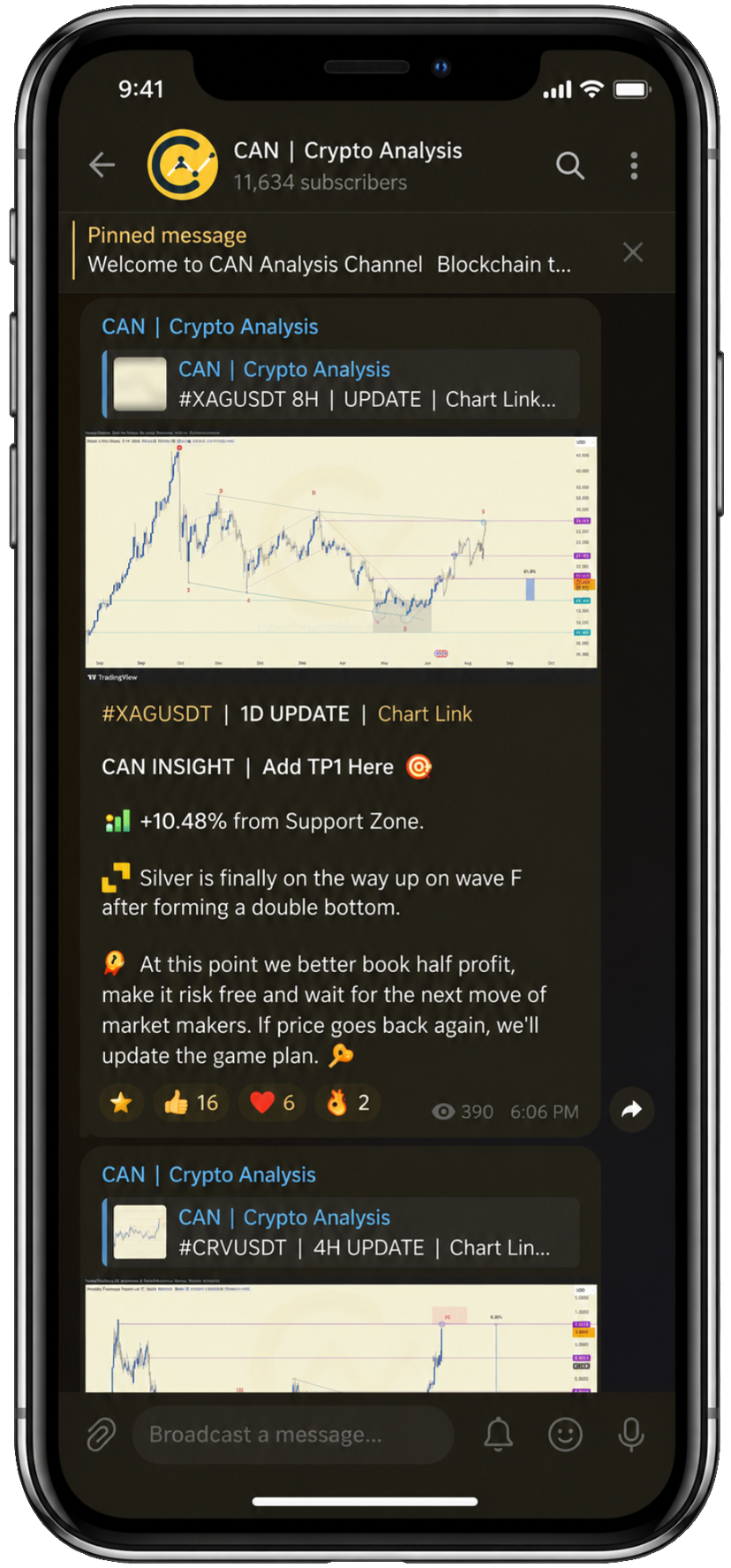
Understanding Cryptocurrency Before Entering the Market
Cryptocurrency has become one of the most talked-about sectors in finance and technology over the past decade. Stories of massive gains, sudden crashes, and overnight market trends have pushed digital assets into mainstream attention.
But behind the headlines, the crypto market remains highly volatile, fast-moving, and complex. Prices can change rapidly, projects can fail unexpectedly, and security mistakes can permanently lead to lost funds.
For beginners, understanding how the crypto ecosystem works is often more important than focusing on short-term market movements.
This guide explains the foundational concepts of crypto, common risks, essential security practices, and widely used market approaches without promoting investment decisions or guaranteeing outcomes.
What Is Cryptocurrency?
Cryptocurrency is a type of digital asset built on blockchain technology. Unlike traditional currencies controlled by banks or governments, cryptocurrencies operate on decentralized networks maintained by distributed computer systems.
Some of the most recognized digital assets include:
- Bitcoin
- Ethereum
Bitcoin is widely known as the first cryptocurrency and is often described as a decentralized digital payment network. Ethereum expanded blockchain functionality through smart contracts, enabling decentralized applications, NFTs, and DeFi protocols.
The crypto ecosystem now includes thousands of projects covering payments, gaming, decentralized finance, artificial intelligence, and digital identity systems.

Key Crypto Concepts Beginners Should Understand
Before interacting with crypto platforms or blockchain networks, it helps to understand several core concepts.
Blockchain
A blockchain is a distributed digital ledger that records transactions transparently and permanently across a network of computers.
Wallet
A crypto wallet is a tool used to store and manage digital assets. Wallets may be software-based or hardware-based.
Private Key and Seed Phrase
Private keys and seed phrases act as access credentials for crypto wallets. Losing them can permanently block access to funds.
Gas Fees
Gas fees are transaction costs paid to blockchain networks such as Ethereum to process operations and maintain network activity.
Understanding these concepts can reduce confusion and help users navigate the ecosystem more safely.
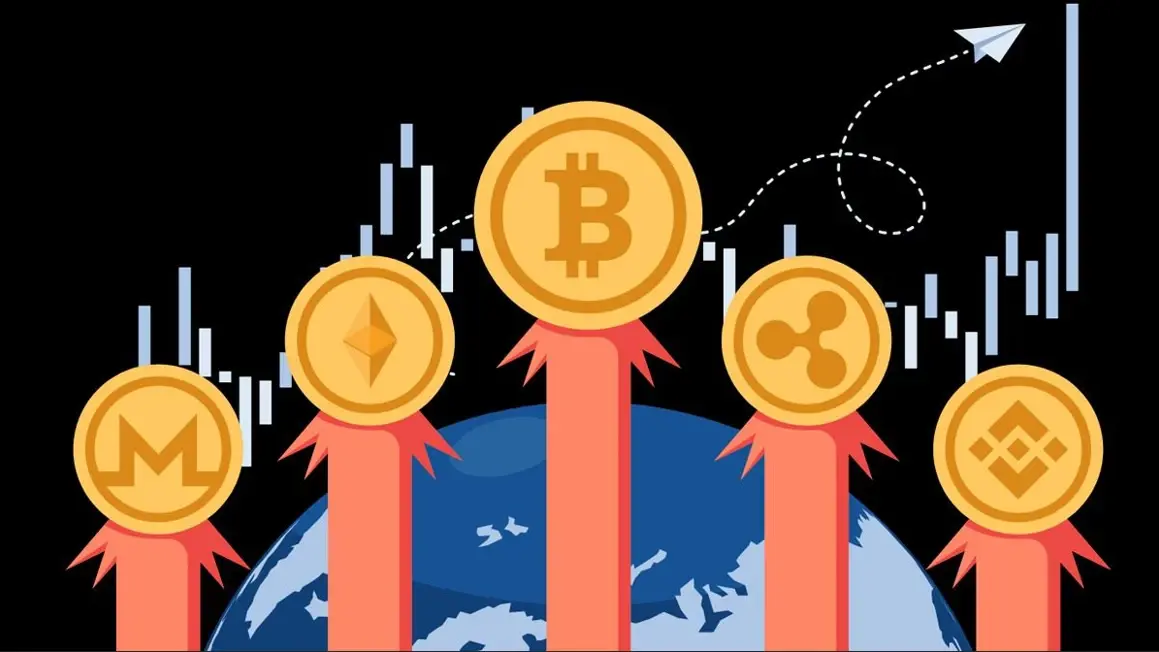
Why Crypto Markets Are Considered High Risk
Cryptocurrency markets are known for extreme volatility.
Unlike traditional financial systems, crypto markets operate continuously without centralized protections or guaranteed reversals. Large price swings can happen within minutes due to:
- macroeconomic news
- regulatory changes
- market sentiment
- exchange liquidations
- social media narratives
Past market events have demonstrated how quickly conditions can change. One major example was the collapse of the Terra ecosystem in 2022, which erased billions of dollars in market value within days.
Because of this volatility, many analysts emphasize the importance of research, caution, and risk awareness when participating in crypto markets.
Choosing a Crypto Exchange
Crypto exchanges are platforms where users can buy, sell, and transfer digital assets.
Some globally recognized exchanges include:
- Binance
- Coinbase
- Kraken
When evaluating exchanges, users often consider:
- security measures
- regulatory compliance
- supported assets
- fee transparency
- customer support
- ease of use
Security features such as two-factor authentication (2FA) are commonly recommended for account protection.

Why Wallet Security Matters
Security remains one of the most important aspects of the crypto industry.
Unlike traditional banking systems, blockchain transactions are generally irreversible. If assets are transferred to the wrong address or wallet credentials are compromised, recovery may be impossible.
Common security recommendations include:
- using strong passwords
- enabling 2FA
- avoiding suspicious links
- storing seed phrases offline
- using hardware wallets for larger balances
Hardware wallet providers such as Ledger and Trezor are commonly used within the industry for offline asset storage.
Common Market Approaches in Crypto
Crypto participants use different approaches depending on their goals, risk tolerance, and market understanding.
One widely discussed strategy is Dollar-Cost Averaging (DCA), where individuals purchase assets at regular intervals regardless of market price. Supporters of this method believe it may reduce emotional decision-making during volatile market conditions.
Long-term holding strategies, often referred to as “HODL” in crypto communities, are also commonly discussed among market participants focused on broader adoption trends rather than short-term price movements.
However, no strategy guarantees positive outcomes, and all market participation involves risk.

Common Risks and Mistakes in Crypto
The crypto industry contains both innovation and significant risk.
Common issues faced by beginners include:
- phishing scams
- fake support accounts
- unrealistic profit promises
- excessive leverage trading
- emotionally driven decisions
- speculative hype cycles
Regulators worldwide have repeatedly warned users about fraudulent schemes and unverified projects claiming guaranteed returns.
As a result, many educational platforms encourage users to verify information carefully and rely on trusted sources instead of social media hype alone.
The Importance of Ongoing Education
The crypto market evolves rapidly. New technologies, regulations, blockchain networks, and narratives emerge constantly.
Popular educational resources include:
- CoinMarketCap Learn
- Binance Academy
- CoinDesk
- The Block
Following market developments, security updates, and regulatory changes can help users better understand the broader digital asset landscape.
Final Thoughts
Cryptocurrency continues to reshape conversations around finance, technology, and digital ownership. At the same time, the market remains highly speculative and unpredictable.
For beginners, understanding the fundamentals, recognizing the risks, and prioritizing security are often considered essential first steps before participating in the crypto ecosystem.
Rather than focusing solely on market hype or short-term price movements, many experienced participants emphasize education, patience, and careful research as the foundation for navigating digital asset markets responsibly.