Why Trading Psychology Matters More in Crypto
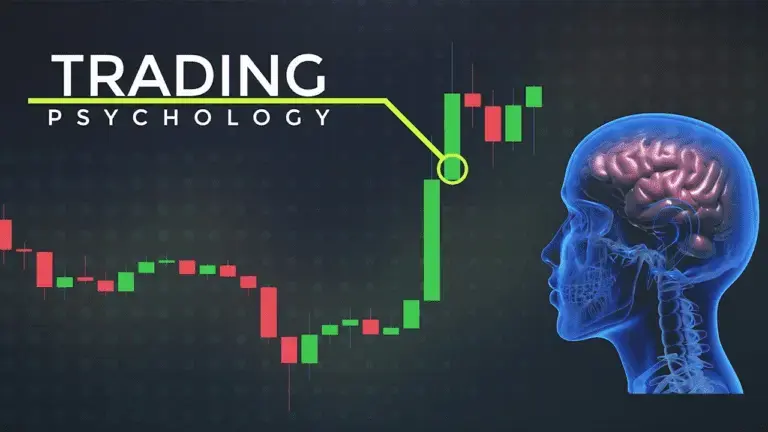
Every trader eventually learns the same lesson: charts don't lose money, people do. Trading psychology is the study of the mental and emotional factors that shape how traders actually behave, not how they intend to behave when they're calm and reading a strategy on paper. It covers how fear, greed, anxiety, and excitement influence decision-making, and how cognitive biases quietly distort judgment without traders even noticing.
This matters more in crypto than almost anywhere else. Digital asset markets never close, price swings can be extreme within minutes, and social media amplifies every rally and every crash in real time. A strategy that looks solid on a whiteboard can fall apart the moment real money and real emotion get involved. That's why trading is as much a mental discipline as it is a technical skill.
Behavioral finance research backs this up: human judgment in markets is rarely purely rational. Traders tend to react based on emotion and ingrained thought patterns rather than clean logic, which is exactly why understanding your own psychology is essential for consistent, long-term profitability rather than short-term luck.
Core Emotions That Drive Trading Decisions:
Fear
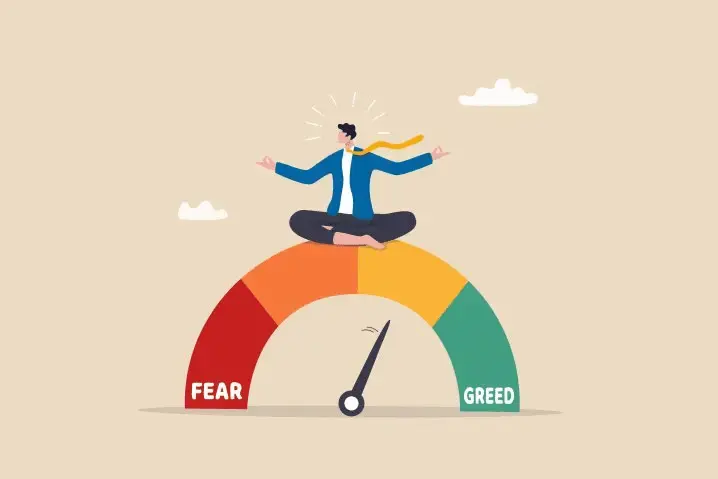
Fear is one of the most primal reactions a trader experiences. A sudden crash triggered by news, shifting sentiment, or large sell orders can activate the brain's fight-or-flight response and make rational thinking genuinely harder. This often shows up as panic selling, where traders close positions to avoid further losses, or as hesitation, where a trader skips a well-formed setup because the risk feels bigger than it actually is.
Neuroscience research shows the amygdala, the brain's threat-detection center, becomes highly active under perceived risk, which interferes with rational decision-making. Because crypto markets trade 24/7 and can move violently without warning, traders who haven't internalized proper risk management are especially prone to abandoning their strategy mid-trade. Fear also feeds loss aversion; The tendency to feel losses more intensely than equivalent gains, which is why so many traders hold losing positions far too long, hoping for a reversal instead of cutting the trade.
Greed
Greed pushes traders to take on bigger risk, hold winning positions too long chasing extra gains, and ignore their own exit rules. It activates the brain's reward system and triggers dopamine release, which makes objective risk assessment much harder. Greed tends to intensify during strong bull runs, when upside can feel limitless.
It can push traders to size up positions beyond what their risk plan allows, chase profits without a real justification, or hold winners far past their original target, often giving back gains once the market inevitably corrects. In crypto specifically, where stories of fast profits are everywhere, newer traders are especially vulnerable to abandoning their exit discipline in pursuit of bigger wins.
FOMO (Fear of Missing Out)
FOMO is extremely common in crypto. When prices move quickly, traders feel pressure to buy without checking their strategy, purely to avoid being left behind and the typical result is buying the top and selling the bottom.
FOMO is amplified by social media, hype cycles, and viral stories of overnight wealth. It pushes traders into positions after significant price increases, often near local tops, right before a correction. Countering it starts with a simple mindset shift: opportunities are never one-time-only. Structured plans, patience, and clearly defined entry triggers help traders wait for high-probability setups instead of chasing every rally.
Overconfidence
After a winning streak, some traders start to feel invincible. This leads to skipped risk management and oversized positions, a combination that usually ends in heavy losses. Staying grounded after a good run is just as important as staying disciplined after a bad one.
Anxiety and Regret
Anxiety during volatility and regret after a loss often lead to revenge trading trying to immediately win back what was lost, which usually makes things worse. This is closely tied to the concept of "tilting," a state where a trader, still emotionally rattled from a loss, chases recovery without clear thinking. It almost always compounds the damage.
Cognitive Biases: How Thinking Errors Distort Judgment
Beyond in-the-moment emotions, cognitive biases quietly warp rational judgment over time:
- Confirmation Bias: Seeking out information that confirms existing beliefs while ignoring contradicting evidence. A trader convinced an asset will rally may selectively read bullish takes while dismissing strong bearish signals.
- Anchoring Bias: Fixating on a specific reference point, like an entry price, even as market conditions change. A trader who bought high may anchor to that price as "fair value" and resist adjusting expectations.
- Availability Bias: Giving too much weight to recent or memorable events. Witnessing a sharp rally or crash can make a trader wrongly assume similar moves are likely again soon, based on memory rather than statistics.
- Herd Mentality: Following the crowd instead of independent analysis. In crypto, where sentiment and group psychology heavily drive price action, this bias can inflate bubbles and intensify panic selling during downturns.
- Loss Aversion: Feeling the pain of a loss more intensely than the pleasure of an equivalent gain, which makes traders overly cautious or prone to holding losers too long instead of cutting them per their plan.
The Neuroscience Behind Emotional Trading
Research in neuroscience shows physical reactions genuinely influence decision-making. When a trader experiences a loss or gain, the body generates tension or excitement that gets encoded in memory and shapes future decisions. Broadly speaking, there are two decision-making systems at play: a fast, emotional one and a slow, rational one. Under stress, the fast system tends to take over, which is exactly when impulsive decisions happen.
How Emotions Hijack Real-Time Decisions
Emotion can turn a sound strategy into a destructive reaction:
- Impulsive trades: Entering without confirmation, simply because price is moving fast.
- Ignoring risk rules: Removing a stop-loss in hopes of a reversal.
- Freezing in a loss: Holding a falling position instead of cutting it according to plan.
Practical Techniques to Manage Trading Psychology
Build a Detailed Trading Plan
A comprehensive trading plan is one of the most powerful tools for managing psychology. It means defining clear entry and exit criteria, risk levels, and profit targets before you ever open a position. A well-structured plan acts as an anchor during fast-moving markets, guiding rational action even when emotions are running high. At minimum, it should include:
- Entry and exit rules
- Stop-loss and take-profit levels
- Position sizing
- Risk tolerance criteria
Use Risk Management Tools
Risk management isn't just about numbers; It's a psychological tool that protects emotional stability. Stop-losses, position size limits, and risk/reward ratios reduce the emotional pressure of uncertainty. Risking only a small percentage of your account per trade (commonly 1-2%) ensures that even a losing streak won't wipe out your capital, allowing you to engage the market with more confidence and objectivity.
Keep a Trading Journal
Logging trades and specifically your emotional state at the time is invaluable. A journal that records not just outcomes but how you felt before, during, and after each trade helps you spot patterns, like trading impulsively under stress, and correct them systematically. It shifts your focus from short-term results to long-term behavioral improvement.
Practice Mindfulness and Self-Care
Techniques like meditation and deep breathing create a pause between "trigger" (price movement) and "reaction," giving the rational brain a chance to respond instead of react. When traders recognize early signs of stress, fear, or greed, they can pause and choose their next move deliberately rather than acting on instinct.
Use Paper Trading
Practicing in a simulated, risk-free environment helps condition emotional responses before real capital is on the line. It removes financial risk entirely, letting you rehearse how you react to real market conditions without fear of loss.
Rest and Stress Management
Constant screen time and monitoring volatile markets lead to emotional burnout. Regular breaks and structured stress management prevent fatigue and preserve clear thinking.
Daily Psychological Habits of Successful Traders
Experienced traders treat psychology as part of their daily routine, not an afterthought. They typically:
- Review their trading plan and risk rules before every session
- Scan market news beforehand to reduce anxiety around the unknown
- Take regular breaks to avoid mental burnout
- Maintain a healthy balance: enough sleep, exercise, and time away from financial news
This preparation keeps the rational, strategic mind in control rather than the reactive, emotional one.
Psychological Traps to Avoid

Overtrading and Revenge Trading
Overtrading is usually driven by greed or boredom. Revenge trading, trying to win back losses quickly is another dangerous trap. Both lead to excessive risk and further losses. Disciplined traders counter this with hard rules, like a maximum number of trades per day or a mandatory cooling-off period after a loss.
Herd Behavior and Impatience
Herd behavior causes traders to buy into inflated prices or panic-sell without independent analysis. Impatience pushes traders into setups that don't actually match their plan. Building patience by focusing on process over instant profit is key to staying disciplined.
Final Thoughts
In a market where prices are inherently unpredictable, understanding yourself is often more valuable than understanding the charts. Trading psychology isn't a side note, it's the core of your strategy. By mastering your emotions and recognizing your own biases, you give yourself a real shot at rational, disciplined decisions even in chaotic conditions.
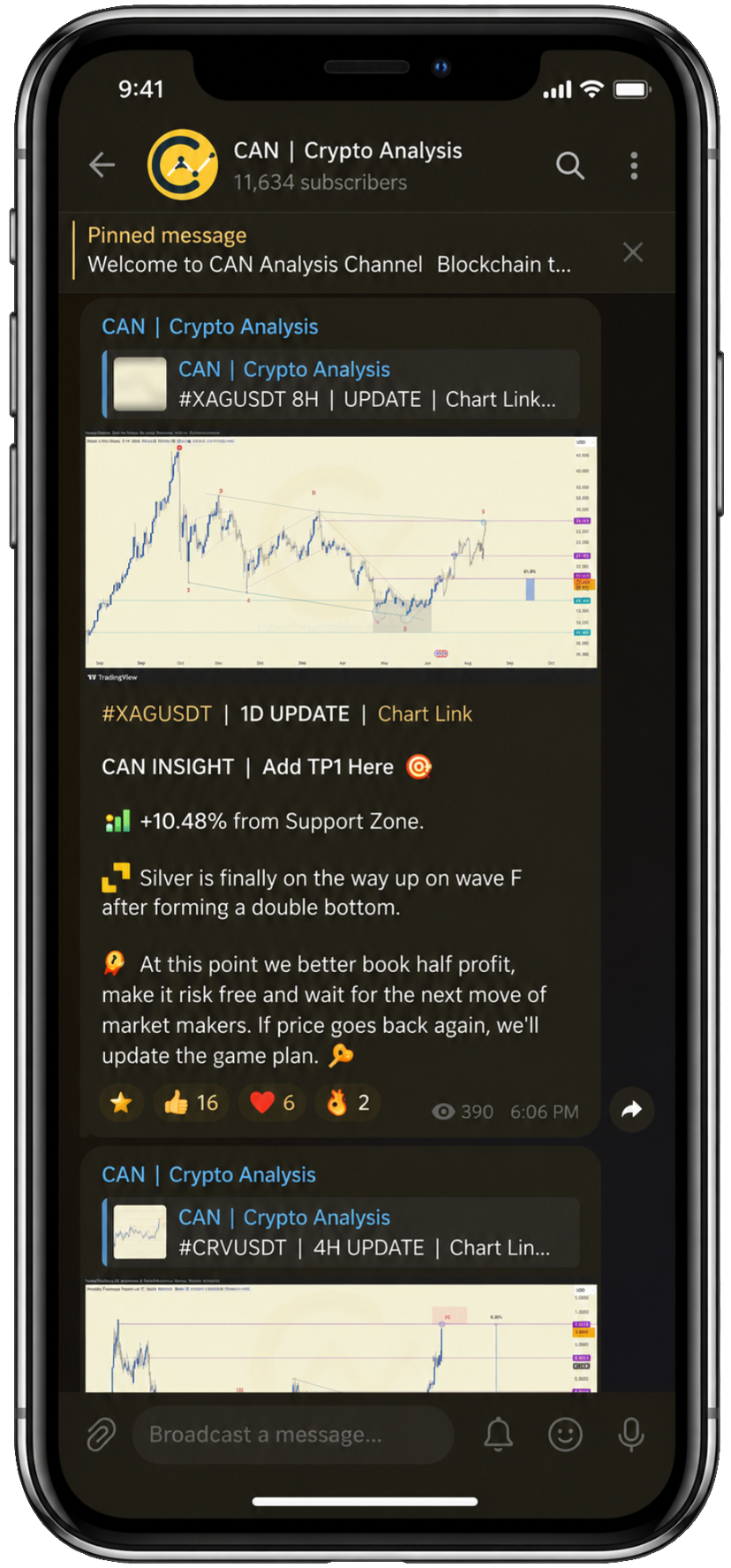
This is also where having a second set of eyes helps. Many traders find it useful to cross-check their own read of the market against structured analysis and signals from a community that's watching the same charts, it can be a good check against emotional decision-making, especially during high-volatility stretches.
FAQ
What is trading psychology and why does it matter? Trading psychology examines the mental and emotional factors that shape how traders actually behave. Mastering it matters because even the best strategies can fail without the mental discipline to execute them.
What are the most important emotions in trading? Fear, greed, FOMO, overconfidence, and anxiety are the primary emotions that shape trading decisions and can significantly affect profit and loss outcomes.
How do cognitive biases affect trading? Biases like confirmation, anchoring, availability, herd mentality, and loss aversion distort rational judgment and often lead to irrational decisions.
How can trading psychology be managed? Building a detailed trading plan, using risk management tools, keeping a journal, practicing mindfulness, paper trading, and taking regular breaks all help improve emotional control and decision-making.
What psychological traps should traders avoid? Overtrading, revenge trading, herd behavior, and impatience are common traps that can cause significant losses, best avoided through firm rules and practiced patience.