Gold and Silver Market Faces Massive $13 Trillion Value Wipeout
The precious metals market has experienced a dramatic downturn over the past four months, with gold and silver collectively losing an estimated $13 trillion in market value. The sharp correction has sparked renewed debate among investors about whether the long-standing bullish trend in precious metals is beginning to weaken.
Gold prices have fallen more than 26% from their recent peak, briefly approaching the $4,000 level during the latest trading session. Silver has faced even heavier selling pressure, declining nearly 48% from its highs and significantly underperforming gold throughout the correction.
The scale of the decline has attracted attention across global financial markets, particularly as investors reassess inflation expectations, interest rate outlooks, and safe-haven demand.
Options Traders Expect More Downside Risk
Market sentiment in the options market suggests that many traders remain cautious on gold's medium-term outlook.
One of the most actively traded options positions currently reflects expectations that gold could decline by as much as 40% before 2028. While options contracts do not guarantee future price movements, they often provide valuable insight into how institutional investors and professional traders are positioning themselves.
The growing popularity of bearish options strategies indicates that a significant portion of the market expects further weakness unless new catalysts emerge to support demand.
Why Are Precious Metals Falling?
Several analysts have linked the recent decline to increased gold sales by certain countries seeking liquidity or attempting to strengthen their domestic currencies.
Turkey has frequently been cited as one example where gold reserves may have been used to support financial stability and currency management efforts. Such selling activity can increase market supply and place downward pressure on prices.
However, not all major economies are contributing to the trend.
China Continues Accumulating Gold
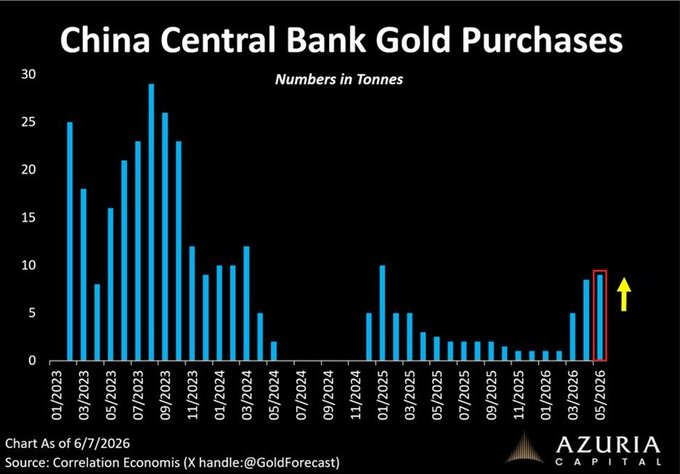
Despite the broader market correction, China remains a notable exception. Reports indicate that the country has continued purchasing gold for 19 consecutive months, reinforcing its long-term strategy of diversifying reserve assets.
This sustained buying activity suggests that while short-term market sentiment has turned bearish, some large institutions and sovereign entities continue to view gold as a strategic store of value.
The contrast between sovereign accumulation and market-wide selling highlights the uncertainty currently surrounding the precious metals sector.
What Could Happen Next?
The next phase for gold and silver will likely depend on several macroeconomic factors, including global interest rates, inflation trends, central bank policies, and investor risk appetite.
If economic conditions stabilize and demand for defensive assets weakens further, precious metals could remain under pressure. On the other hand, any resurgence in inflation concerns or financial market volatility could revive safe-haven demand and slow the decline.
For traders and investors, monitoring institutional positioning and central bank activity may provide important clues about the future direction of the market.
Market Outlook
The recent correction has erased trillions of dollars from the precious metals market and significantly shifted investor sentiment. While bearish expectations have increased, ongoing accumulation by major buyers such as China suggests that the long-term narrative for gold remains contested.
As volatility continues, traders should closely watch key support levels, options market positioning, and macroeconomic developments before making directional bets on gold or silver.