SEC Moves Closer to Formalizing Tokenized Securities in the United States
The United States could be entering a new era for financial markets as the Securities and Exchange Commission (SEC) prepares to introduce a regulatory framework for tokenized securities. The move may accelerate the integration of blockchain technology into traditional finance and reshape how stocks are issued, traded, and settled.
According to reports, the new framework would allow financial firms to test blockchain-based securities without going through the full registration process normally required for traditional products. This development represents one of the most significant steps toward bringing real-world assets (RWAs) and tokenization into mainstream capital markets.
Blockchain Technology Expands Into Traditional Stock Markets
Bloomberg reports that the SEC's initiative aims to provide regulatory flexibility for firms exploring tokenized financial products. The approach could help market participants experiment with new technologies while maintaining oversight and investor protections.
At the same time, major exchanges including Nasdaq and the New York Stock Exchange (NYSE) have recently received approvals related to expanding on-chain trading infrastructure and tokenized stock initiatives.
These developments suggest that some of the largest institutions in the US financial sector are actively preparing for a future where blockchain-based assets become part of everyday market operations.
Why Tokenized Securities Matter
Tokenized securities are digital representations of traditional financial assets recorded on blockchain networks. Supporters believe this model offers several advantages over conventional systems, including:
Faster Settlement
Traditional stock settlements can take days to complete. Blockchain infrastructure can significantly reduce settlement times and improve capital efficiency.
24/7 Trading Access
Unlike conventional markets with fixed operating hours, tokenized assets could potentially enable around-the-clock trading.
Lower Operational Costs
Blockchain-based systems may reduce intermediaries and administrative expenses, creating a more efficient market structure.
Greater Accessibility
Tokenization could eventually make investment opportunities more accessible to a broader range of participants worldwide.
Market Growth Continues Accelerating
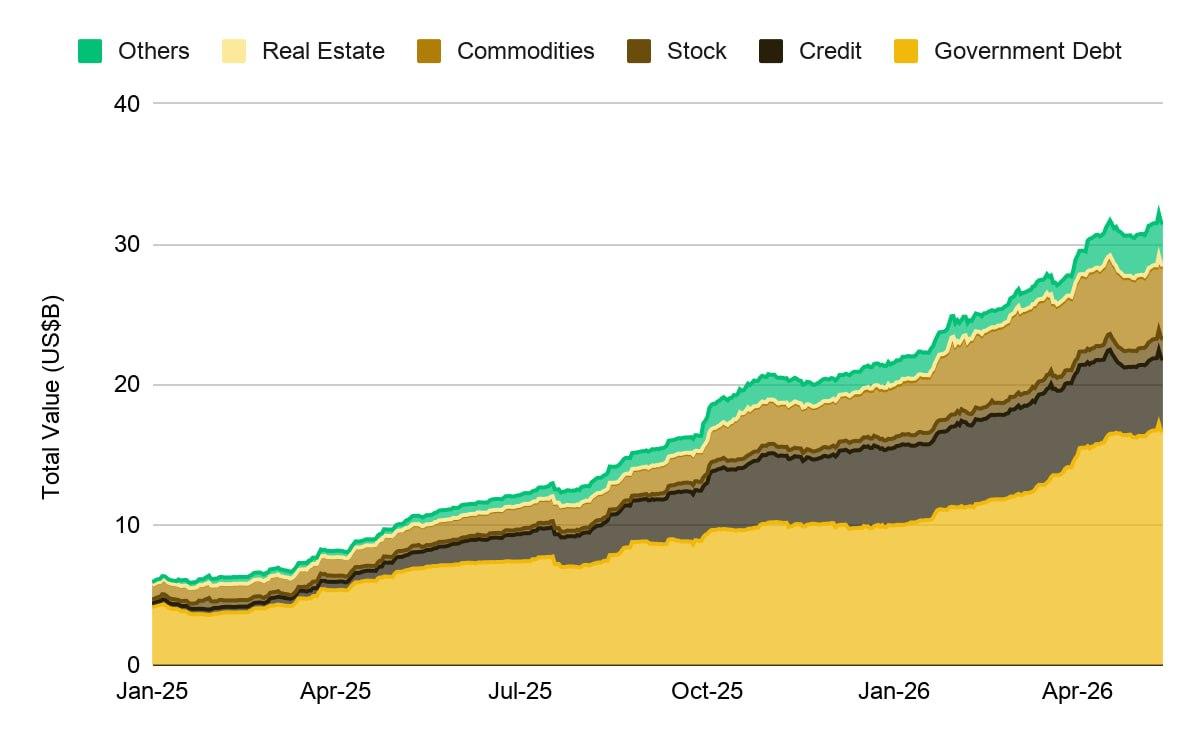
The tokenized asset sector has already experienced rapid growth. Industry estimates place the market's value at approximately $31.4 billion, representing nearly a fivefold increase compared to the beginning of 2025.
Analysts believe the broader tokenized asset ecosystem could evolve into a multi-trillion-dollar market by 2030 as adoption increases across equities, bonds, commodities, and other real-world assets.
The growing interest from regulators and major exchanges may further strengthen investor confidence in the sector.
What Traders Should Watch
While the long-term outlook for tokenization appears constructive, regulatory details remain critical. Market participants will likely monitor:
- Final SEC guidance and exemption conditions.
- Adoption by major financial institutions.
- Expansion of tokenized stock offerings.
- The impact on traditional brokerage and settlement systems.
- Growth in the real-world asset (RWA) sector.
As regulation becomes clearer, tokenized securities could become one of the most important narratives connecting traditional finance and blockchain technology.
Conclusion
The SEC's upcoming framework marks a potentially historic milestone for the US financial market. By enabling experimentation with tokenized securities, regulators may be laying the groundwork for a more efficient, accessible, and blockchain-powered market structure.
For traders and investors, the evolution of tokenized assets and real-world asset (RWA) markets could become a key trend to watch throughout the remainder of the decade.